What Is a Masticating Juicer and How Does It Work?
A masticating juicer uses a slow-turning auger to crush and press produce through a screen. Choose one by the ingredients you juice, the amount of prep you’ll accept, and how you want to clean it.
On this page (11 sections)
- What is a masticating juicer?
- How does a masticating juicer work?
- What produce does a masticating juicer handle well?
- What is a masticating juicer compared with a centrifugal juicer?
- Is a masticating juicer the same as a triturating juicer?
- How do you choose a masticating juicer?
- Which masticating juicer style suits your routine?
- How do you set up and use a masticating juicer?
- What common mistakes make juicing harder?
- Does a masticating juicer make better juice?
- What is a masticating juicer worth choosing for?
A masticating juicer uses a slow-turning auger to crush and press produce, separating juice from pulp through a screen. It’s also called a slow juicer, and choosing one means weighing its feeding style and cleanup against what you plan to juice.
The name describes the juicing action, not a guarantee of higher yield or more nutrients. For a comparison with another common style, see cold press vs centrifugal juicers.
What is a masticating juicer?
A masticating juicer presses produce with an auger instead of chopping it with a fast-spinning blade. The auger moves ingredients toward a screen, where juice passes through and pulp exits separately.
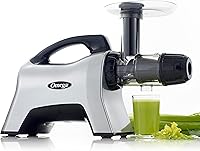
Most single-auger models have a feed chute, auger, juicing chamber, screen, juice spout, and pulp outlet. Some feed from the top; others use a horizontal layout.
“Masticating” means chewing, which gives a rough idea of the action. The auger doesn’t chew like a person, but it crushes and presses produce as it turns.
How does a masticating juicer work?
A masticating juicer pulls produce into an auger, presses it against a screen, and sends juice and pulp in different directions. The screen filters the liquid while the remaining solids move toward the pulp outlet.
The process usually follows these steps:
- Add cut or whole produce through the feed chute, depending on the machine.
- The turning auger draws ingredients into the chamber and crushes them.
- Pressure pushes juice through the screen and out the juice spout.
- The remaining solids move through the pulp outlet.
Makers often describe this as slow or cold press extraction. For a clearer look at that terminology, read what cold press means on a juicer.
What produce does a masticating juicer handle well?
A masticating juicer can press many fruits and vegetables, including leafy greens and firm roots, but each model has limits. Check its instructions for prep, feeding order, and ingredients it can handle.
Long-fiber ingredients such as celery may need to be cut into shorter pieces. Leafy greens can be folded or fed with firmer produce if the manual recommends it.
Hard roots such as ginger may also need to be cut into small pieces. A wider chute can reduce chopping, but it doesn’t change how the juicer extracts juice.
If prep time is important, read whether feed chute width matters on a juicer. For ingredient-specific ideas, compare juicers for leafy greens or juicers for ginger and hard roots.
What is a masticating juicer compared with a centrifugal juicer?
A masticating juicer presses produce slowly with an auger, while a centrifugal juicer cuts produce and spins it against a strainer. The different mechanisms affect feeding, prep, and how juice separates from pulp.
A centrifugal juicer can process produce quickly, while an auger juicer feeds and presses it through a narrower path. Choose based on what you juice, how much prep you’ll do, and how much time you want to spend cleaning.
Neither type fits every kitchen. Compare the trade-offs in our guide to cold press vs centrifugal juicers.
Is a masticating juicer the same as a triturating juicer?
No. A typical masticating juicer uses one auger, while a triturating juicer uses two interlocking gears to crush and press ingredients.
“Single auger” and “slow masticating” often describe the same general juicer type. Triturating models are also called twin gear juicers, and their paired gears make them a separate design.
If you’re comparing those mechanisms, see what a triturating juicer is and how twin gear and masticating juicers differ.
How do you choose a masticating juicer?
Choose a masticating juicer by matching its feed style, capacity, and care needs to your regular routine. The auger and low speed tell you the broad type, but the machine’s other details shape daily use.
- Check the chute and prep. A wide chute may fit larger pieces, but check whether your usual ingredients still need cutting.
- Match the layout to your counter. Vertical and horizontal models have different shapes and feeding setups. Measure the available space, including overhead clearance.
- Plan for cleanup. Look for clear care instructions, removable parts, and a brush for the screen. Some components may need hand washing even when others are dishwasher safe.
- Consider jam clearing. A reverse function can help with stuck produce when used as the manual directs.
- Check container size. Juice and pulp containers need to suit the amount you expect to make.
If you want a broader comparison of machine styles and features, see our cold press juicer machine guide.
Which masticating juicer style suits your routine?
The Omega VRT350, NutriBullet NBJ50300, and Hurom H330 show how feeding, layout, and care can differ within this category. Each suits a different priority, so compare the relevant feature with your kitchen setup.
Who should choose a vertical masticating juicer?
The Omega VRT350 suits you if you want a vertical, top-fed design with a reverse setting. Its two-stage process crushes produce, then presses the pulp before it exits, and it has separate juice and pulp containers.
Choose another style if you want a self-feeding hopper or prefer parts that can go in the dishwasher. The Omega is hand wash only, so it fits best when you’re willing to clean its parts by hand.
Who should choose a compact slow juicer?
The NutriBullet Slow Juicer NBJ50300 is a good fit if you want a compact machine with a 3 in feed chute and no-drip spout. Its 65 RPM motor and steel-tipped auger press produce at low speed.
Its care split is specific: the pusher and auger need hand washing, while the other parts are dishwasher safe. Skip it if you want every removable part to be dishwasher safe.
Who should choose a self-feeding masticating juicer?
The Hurom H330 is aimed at larger batches with less active feeding. Its 2-liter hopper is designed for whole apples, carrots, celery, and leafy greens, and a safety shut-off stops the motor if the lid opens.
Its large hopper takes more counter space than a compact design, and its parts are hand wash only. Skip it if you make small servings, have limited space, or want dishwasher-safe cleanup.
How do you set up and use a masticating juicer?
Set up a masticating juicer on a stable counter, assemble its parts in the order shown in the manual, and place containers under the juice and pulp outlets. A quick check before starting helps prevent spills and poor feeding.
Rinse or wash removable parts as directed before first use. Confirm that the screen, chamber, and auger are seated correctly, then cut produce to the size the chute allows.
Feed ingredients at a steady pace and use the pusher only as the instructions direct. Don’t force produce into the auger; pause and use reverse only if the manual recommends it for a jam.
If this is your first auger machine, follow our step-by-step guide to setting up a cold press juicer.
What common mistakes make juicing harder?
The most common mistakes are overloading the chute, ignoring produce prep, and waiting too long to clean the screen. A slower, steady routine helps the auger process ingredients and makes cleanup easier.
Cut long-fiber produce into shorter pieces when the instructions call for it. Add ingredients in the recommended order, and avoid pushing hard if the auger slows or the machine becomes stuck.
Rinse parts soon after juicing so pulp has less time to dry on the screen. Follow each model’s care directions: dishwasher-safe parts vary, and some components need hand washing.
For a part-by-part routine, see how to clean a masticating juicer. You can also check which juicer parts are dishwasher safe.
Does a masticating juicer make better juice?
A masticating juicer uses a pressing method, but whether it makes better juice depends on your preferences and routine. Produce, machine design, pulp level, foam, prep, and cleanup all shape the experience.
Some brands say slow pressing limits froth or helps juice stay fresh longer. Those claims apply to specific models, not every auger juicer.
If you often juice leafy greens, check a machine’s recommended uses and feeding instructions rather than relying on the category name. If you want to compare a different auger layout, see the best slow masticating juicers.
What is a masticating juicer worth choosing for?
A masticating juicer is worth choosing when you want auger pressing and can work with its feeding and cleaning steps. Pick the Omega VRT350 for a vertical layout and reverse function, the NutriBullet for a compact setup and wide chute, or the Hurom H330 for a large self-feeding hopper.
Skip an auger juicer if fast processing or minimal cleanup matters more than its feeding style. For a different pressing mechanism, compare twin-gear models in our guide to masticating versus triturating juicers.
Frequently asked questions
What does a masticating juicer do?
A masticating juicer crushes and presses produce with an auger, then separates juice from pulp through a screen. The pulp exits through a separate outlet.
This slow juicing method suits many fruits and vegetables, including leafy greens, though prep and feeding needs vary by machine.
Is a masticating juicer the same as a cold press juicer?
The terms often describe the same broad style: a juicer that uses a slow auger to press produce instead of a fast-spinning cutting basket. “Cold press” is also used as a marketing term, so check how a specific machine extracts juice.
See our guide to what cold press means on a juicer.
What is the difference between a masticating and triturating juicer?
A typical masticating juicer uses one auger, while a triturating juicer uses two gears that press produce together. Both work slowly, but the twin-gear design is a distinct type.
For a closer look, read our guide to twin gear versus masticating juicers.
Do masticating juicers work for leafy greens?
Many masticating juicers are designed to process leafy greens by crushing and pressing them through an auger and screen. Feed greens as the manual recommends, and alternate them with firmer produce if the machine struggles.
The instructions and included parts determine what a particular juicer can handle.