Twin Gear vs Masticating Juicer: What Changes? (October 2026)
A twin gear juicer is a type of masticating juicer, while many other masticating models use one auger. Choose twin gears if you want that specific mechanism; choose a single auger or hands-free model to match your feeding and cleanup routine.
On this page (7 sections)
- What changes in a twin gear juicer vs masticating juicer?
- Does a twin gear juicer count as a cold press juicer?
- Which juicer suits your produce and routine?
- How should you set up and use a slow juicer?
- How can you make cleanup easier?
- What common juicer mistakes should you avoid?
- Twin gear juicer vs masticating: which should you choose?
A twin gear juicer is a type of masticating juicer, while many other masticating models use one auger. In a twin gear juicer vs masticating comparison, the useful choice is whether you want two gears, a single auger, or a hands-free hopper.
Both styles press produce slowly instead of relying on fast-spinning blades. Your decision should come down to the machine's feeding routine, the produce you prepare, the cleanup you can manage, and where the juicer will live.


What changes in a twin gear juicer vs masticating juicer?
A twin gear juicer presses produce between 2 gears; many other masticating juicers use a single auger. “Triturating” is another name for the twin gear approach.
The guide to triturating juicers explains the twin gear mechanism, while our masticating juicer guide covers the broader category. That distinction matters because “masticating” describes a type of slow extraction, not one fixed machine layout.
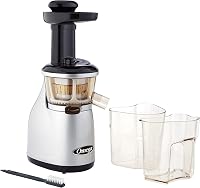
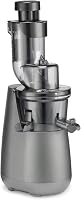
The Tribest Greenstar GS-2000 is the twin gear example here. The Omega NC1000HDS has a single auger, and the Kuvings AUTO10 is another masticating style model with a large hopper for hands-free feeding.
Does a twin gear juicer count as a cold press juicer?
Twin gear and single auger machines are both slow juicer designs commonly grouped under cold press juicers. “Cold press” is a broad label, not a separate mechanism.
The names can make the choices sound like different categories. In everyday shopping, cold press often refers to slow juicers that press produce rather than extract it with fast-spinning blades.
A twin gear juicer still belongs to the masticating family. If you are weighing slow juicers against another type, our cold press vs centrifugal juicer guide explains how their extraction approaches differ.
Which juicer suits your produce and routine?
Match the juicer to the ingredients you prepare most and how much feeding work you want to do. The Greenstar is described for fruits, herbs and vegetables, including fibrous stalks and leafy greens; Omega describes the NC1000HDS for leafy vegetables and wheatgrass.
The AUTO10 is designed for hard produce and larger batches. Those intended uses can help you narrow the field, but they do not guarantee the same results for every recipe or ingredient.
Think about how often you make juice and what you do immediately afterward. If a machine requires several rounds of feeding or brushing, decide whether that routine still feels practical on a busy morning.
Is a twin gear juicer a good fit for greens?
Choose a twin gear model if you specifically want a triturating design and are comfortable with a heavier manual-feed machine. The Greenstar has automatic pulp ejection and includes cleaning brushes.
It weighs 24 lb, so it makes more sense on a stable counter than in a cupboard you open for every juice. Its balanced carry handle can help when moving it, but the weight remains a real storage consideration.
The brand describes the Greenstar for leafy greens and fibrous stalks. Follow the machine's instructions for preparing and feeding those ingredients, especially if your recipes include long fibers.
Who should choose a single auger juicer?
Choose a single auger if you want a familiar masticating layout and a care routine that fits your kitchen. The Omega NC1000HDS is manually fed, and its removable parts are top-rack dishwasher safe on a cold cycle.
That dishwasher option can help if you prefer to wash parts with a load of dishes. You still need to clear pulp from the parts and check the care instructions before putting anything in the dishwasher.
The AUTO10 suits a different routine: it is designed for hands-free feeding, with a hopper that holds 3 liters. Choose it if reducing repeated feeding matters more than having a compact, low machine.
Who should skip each style?
Skip twin gears if the machine's weight, manual feeding or part cleanup would make you avoid using it. The Greenstar is a poor match for someone who needs a light machine that moves easily between storage and the counter.
Skip the Omega if you want to load produce in one large batch without feeding it manually. Its single auger layout does not remove the need to add ingredients during juicing.
Skip the AUTO10 if you lack room for a tall hopper or do not need hands-free batch loading. Its 19 in height and 3-liter capacity make it a more specific counter-space choice than a compact, low-profile machine.
How should you set up and use a slow juicer?
Set up the machine on a level counter with room for the feed area, containers and removable parts. Before the first run, assemble it in the order shown in the manual and confirm that each screen, auger or gear is seated correctly.
For the AUTO10, check the cabinet clearance above its 19 in body and leave space to open the hopper lid. For a manual model, arrange prepared produce within reach so you can feed it steadily without crowding the counter.
Wash parts before use if the care instructions call for it. Cut produce to the size and shape the machine's instructions recommend, and avoid forcing ingredients through the feed opening.
Keep the juice and pulp containers in place before switching the machine on. When a juicer has a reverse function, use it only as the manual directs rather than repeatedly pushing ingredients harder when they slow down.
How can you make cleanup easier?
Rinse and brush parts soon after juicing, before pulp dries on. The Greenstar includes cleaning brushes, while the Omega's removable parts can be washed on the dishwasher's top rack using a cold cycle.
The AUTO10 has removable parts, a cleaning tool and a redesigned pulp chute. Those details support its cleanup routine, but you still need to remove and wash the parts after a session.
Don't assume every removable part is dishwasher safe. Check the instructions for your exact model, and separate parts that need hand washing before loading the dishwasher.
A short cleanup routine helps keep the next session straightforward: empty the pulp, rinse parts, brush screens or gears as directed, then let components dry fully before storage. For a part-by-part routine, see our guide to cleaning a masticating juicer.
What common juicer mistakes should you avoid?
Avoid choosing by RPM alone, forcing produce, or buying before measuring the counter. A lower speed does not by itself decide which juicer fits your ingredients or daily habits.
Measure counter depth, width and cabinet clearance, then leave space for the lid, containers and disassembly. The AUTO10 is 19 in high; the Omega is 18.5 in wide, and the Greenstar weighs 24 lb.
Another common mistake is treating “cold press” as a promise of identical results across machines. The mechanism, feed method and preparation all differ, so follow the instructions for the juicer you select.
Finally, don't leave fibrous pulp to dry in screens, chutes or gears. A prompt rinse and the included brush or cleaning tool can reduce scrubbing later.
Twin gear juicer vs masticating: which should you choose?
Choose the Greenstar if twin gears are the feature you want, the Omega for a manual single auger with cold-cycle dishwasher-safe parts, or the AUTO10 for hands-free batches. Let your feeding and cleanup habits settle the choice.
The Greenstar is the dedicated twin gear option here, with automatic pulp ejection and a 24 lb body. It fits someone with a stable counter who values that mechanism and does not need to lift the machine often.
The Omega is a sensible match for someone who wants a single auger juicer and can feed produce manually. The AUTO10 is for larger batches and fewer repeated feeding steps, provided its hopper and height fit the kitchen.
For a wider checklist covering juicer styles and daily use, see how to choose a cold press juicer. Pick twin gears when the mechanism itself is your priority; otherwise, choose the masticating model whose feeding method, cleanup and footprint you can live with.
Frequently asked questions
Is a twin gear juicer the same as a masticating juicer?
A twin gear juicer is one kind of masticating juicer. It presses produce between 2 gears, while many masticating models use one auger to move and press produce through a chamber.
Both are slow juicer designs, but their parts and feeding routines differ.
Is twin gear better than a single auger juicer?
Neither design is the right fit for every kitchen. Choose twin gears if you specifically want a triturating juicer; choose a single auger if that layout better suits your routine, space and care preferences.
Compare the actual machine's feeding method and cleanup instructions.
Are twin gear juicers harder to clean?
Cleaning depends on the model and how its parts handle pulp. The Greenstar includes cleaning brushes, while the Omega's removable parts are top-rack dishwasher safe on a cold cycle.
Rinse and brush juicer parts soon after use, then follow the care instructions for that model.
Can a single auger juicer handle leafy greens?
Some single auger models are intended for leafy greens. Omega describes its NC1000HDS as suitable for leafy vegetables and wheatgrass.
Prepare and feed greens according to the juicer's instructions, and cut long or fibrous pieces as directed.
Should I choose a hands-free masticating juicer?
Choose a hands-free model if you want to load a larger batch with fewer repeated feeding steps. The Kuvings AUTO10 has a 3-liter hopper and is designed to process whole fruits and vegetables.
Measure its 19 in height against your cabinet clearance before choosing it.