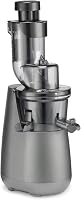
How to Clean a Masticating Juicer, Part by Part
To clean a masticating juicer, unplug it, remove its parts, rinse away fresh pulp, and brush narrow openings gently. Follow the manual for washing and drying each piece before putting the juicer back together.
On this page (9 sections)
- How do you clean a masticating juicer step by step?
- What should you prepare before cleaning?
- How do you clean the auger and hopper?
- How do you clear pulp from outlets and tight spaces?
- Can you use soap or a dishwasher on juicer parts?
- How should you dry and store the parts?
- What mistakes make juicer cleanup harder?
- What should you look for in an easier-to-clean juicer?
- Which cleaning setup should you choose?
To clean a masticating juicer, unplug it, remove its parts, rinse away fresh pulp, and brush the narrow openings gently. Wash each piece as its manual directs, dry it fully, then reassemble the juicer.
The simplest routine is to clean soon after juicing, before pulp dries in grooves or outlets. Keep water away from the motor base and use only care methods allowed for your model.
How do you clean a masticating juicer step by step?
Clean it in this order: unplug, disassemble, rinse, brush, wash, dry, and reassemble. Your manual is the guide for which pieces come off and how each one can be washed.
- Switch off and unplug the juicer.
- Remove the hopper, auger, filter or strainer, and other removable parts as the manual shows.
- Rinse loose pulp from each piece before it dries.
- Use a soft brush on grooves, openings, and pulp outlets.
- Wash by hand or in the dishwasher only if the manual allows it.
- Dry all parts fully before storing or assembling the juicer again.
Set the pieces on a clean towel as you remove them. This keeps small parts together and makes it easier to see what still needs cleaning.
If you’re setting up a machine for the first time, follow our guide to how to set up a cold press juicer. To understand why an auger juicer has distinct parts to clean, see what a masticating juicer is and how it works.
What should you prepare before cleaning?
Have the manual, a sink, a soft brush, and a clean drying spot ready. A small brush helps with narrow spaces, but a clean brush you already own may be enough.
The OXO Good Grips Deep Clean Brush Set includes a large brush and a small brush with a wiper blade. The smaller brush is designed for tight spaces, and its wiper blade can clear buildup from crevices.
Use light pressure on removable juicer parts. The set is also intended for household cleaning, so keep the brush clean and dry between uses.
How do you clean the auger and hopper?
Rinse the hopper and auger if the manual allows it, then brush pulp from their corners and grooves. Check seams and the underside of the hopper, where wet produce can leave residue.
The Betanull Crevice Brush Set includes several brush shapes for narrow spaces and other household cleaning jobs. Its nylon brushes are the appropriate choice for juicer parts; keep the brass and steel wire brushes away from them.
Rinse and brush gently if pulp is wedged in a gap. Don’t scrape with a knife or force a brush into an opening where it catches.
If pulp builds up while juicing, feed produce at a steady pace and clear the juicer as the manual directs. For recurring blockages, read why a juicer keeps clogging.
How do you clean a juicer filter or strainer?
Rinse a filter or strainer promptly and brush its openings gently. If your model is mesh-free, clean the removable parts it does have instead of looking for a screen.
Move the brush across the surface rather than jabbing into individual holes. Avoid sharp picks and abrasive pads that could damage a part.
The Cuisinart CSJ-300 is a masticating slow juicer with a mesh-free filter. Its removable parts are described as top-rack dishwasher safe, while its care instructions say hand wash only, so check the manual for each piece before washing.
Mesh-free construction can mean less screen scrubbing, but it doesn’t eliminate the need to rinse and clean the other removable parts. See whether mesh-free juicers are easier to clean for how that design affects cleanup.
How do you clear pulp from outlets and tight spaces?
Use a small, soft brush to clear the pulp outlet and other narrow openings, then rinse away loosened residue. Keep water away from any opening that leads toward the motor base.
The Aeitto juicer has an integrated hopper and filter design with fewer parts for setup and disassembly. Its removable parts are described as easy to rinse under running water.
If a passage still holds pulp, repeat the gentle brush-and-rinse steps. Don’t force a brush into a tight spot if it catches or the manual warns against it.
Can you use soap or a dishwasher on juicer parts?
Use dish soap or a dishwasher only as the manual permits for each part. Removable components can have different care rules from the motor base.
Wash approved pieces with dish soap and water, then rinse away the suds. Keep the base unplugged and wipe its exterior only as the manual allows.
Don’t assume “easy clean” means every piece is dishwasher safe. The Cuisinart’s removable parts are described as top-rack safe, but its care instructions also say hand wash only, so confirm how to clean each component.
Read are juicer parts dishwasher safe? for more on care labels. If you’re choosing a machine, our cold press juicer machines guide covers features to compare.
How should you dry and store the parts?
Dry every part fully before reassembly or storage. Moisture left in seams can mix with pulp residue and make the next cleanup harder.
Shake off excess water and place the pieces on a clean drying rack or towel. Check small openings and the underside of each piece before putting it away.
Don’t store damp parts assembled together. Let them air-dry fully, and keep the cleaning brush clean between uses.
What mistakes make juicer cleanup harder?
Waiting for pulp to dry is the main avoidable cleanup mistake. Rinse removable parts soon after juicing, and brush residue out before it hardens.
Avoid using sharp tools, abrasive pads, or stiff wire brushes on juicer parts unless the manual specifically allows them. Scraping can damage surfaces, while wire brushes included in a general cleaning kit may be meant for other household jobs.
Don’t wash the motor base with the removable parts or assume every piece shares the same dishwasher instructions. Check the manual, especially when care labels seem to conflict.
What should you look for in an easier-to-clean juicer?
Choose based on the parts you’ll need to wash, their shape, and the care instructions. A mesh-free filter may reduce fine-screen scrubbing, while a design with fewer removable parts can shorten the rinse routine.
The Cuisinart CSJ-300 suits buyers who want a mesh-free filter and are willing to check care directions for each removable part. Skip it if you need one clear dishwasher rule for the whole assembly.
The Aeitto suits busy households that value a wide-mouth hopper, hands-free feeding, and fewer pieces to disassemble. Skip it if you prefer a simpler, smaller feed setup or want to avoid an integrated hopper design.
A cleaning brush is useful when your current tool can’t reach narrow openings. The OXO set is a focused choice for tight spots; Betanull offers more brush shapes for people who also clean other household crevices.
Which cleaning setup should you choose?
Pick a soft brush and prompt rinsing if you already own a juicer; choose a machine with fewer parts if disassembly is your main barrier. For a mesh-free filter, consider the Cuisinart, and for a wide-mouth, hands-free setup, consider the Aeitto.
A brush set makes sense when pulp repeatedly sticks in tight spaces. Whichever setup you choose, unplug first, follow each part’s care instructions, and dry everything fully before storage.
Frequently asked questions
How soon should I clean a masticating juicer?
Clean it soon after juicing, while pulp and juice residue are still fresh. Unplug the base, take apart the removable pieces as directed in the manual, and rinse or soak parts only as the maker allows.
If you can't wash everything right away, remove loose pulp and return to the job promptly.
Can I put masticating juicer parts in the dishwasher?
Only if the manual says that specific part is dishwasher safe, and follow its rack and temperature directions. Removable parts may have different care rules from the motor base, so check each one.
For a closer look at common care labels, read our guide to whether juicer parts are dishwasher safe.
How do I clean pulp from a juicer screen or filter?
Rinse the screen promptly and brush gently across its openings with a soft cleaning brush. Work from both sides if the design allows, and avoid sharp objects or pressure that could damage the part.
Mesh-free models have no mesh screen, but their removable parts still need a rinse and a check for residue.
Why does my masticating juicer still smell after cleaning?
A lingering smell can come from pulp left in a seam, outlet, or removable part, or from pieces stored before they dried. Take the juicer apart again and inspect its narrow spaces, then wash and air-dry the parts as directed.
If the smell persists, check the manual for care guidance.