Cold Press Juicer vs Blender: Which Do You Need? (October 2026)
Choose a cold press juicer for pourable juice with much of the pulp removed, or a blender for whole-produce drinks that keep the fiber. Pick based on the texture you want and how much prep and cleanup fit your routine.
On this page (9 sections)
- Cold press juicer vs blender: what’s the main difference?
- Which drink texture do you want?
- Which appliance suits your usual ingredients?
- How much prep and cleanup will you handle?
- How do you set up and use each one?
- What common buying and use mistakes should you avoid?
- Will either appliance fit your kitchen?
- Who should buy a juicer, and who should skip one?
- Cold press juicer vs blender: which should you choose?
Choose a cold press juicer for pourable juice with much of the pulp removed, or a blender for thicker drinks that keep whole produce. The cold press juicer vs blender choice comes down to your preferred texture, the ingredients you use and the work you want to do before and after drinking.
A juicer presses produce and separates liquid from pulp. A blender breaks ingredients into a mixture, leaving more of the whole produce in the drink.
Neither tool replaces the other for every kitchen. Start with the drinks you make most often, then consider prep, cleanup and whether you have room for another appliance.
Cold press juicer vs blender: what’s the main difference?
A juicer separates juice from pulp; a blender keeps the ingredients together. That difference changes a drink’s texture and what you do with the remaining solids.
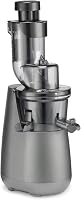
A cold press juicer uses an auger to press produce and move liquid through a filter. Juice collects in a jug, and pulp goes into a separate container.
A blender chops and mixes ingredients. The result is usually thicker than strained juice because the blended solids remain in the drink.
If you want to understand the term before choosing a machine, see what cold press means on a juicer. Our cold press juicer buying guide covers the machine type in more detail.
Which drink texture do you want?
Choose a juicer for pourable juice and a blender for a thicker drink with the pulp mixed in. Buy the appliance that gives you the texture you’ll enjoy without an extra straining step.
Blended drinks keep the produce solids in the glass. Add liquid to help ingredients move through the blender, then adjust the amount to get the thickness you prefer.
Juiced drinks pour more like juice because much of the fibrous pulp is collected separately. The Ninja NeverClog JC151 comes with Less Pulp and Lots of Pulp filters, so you can choose between two pulp levels.
If you enjoy a thicker drink, a blender already does the job. If you regularly want a smoother result without straining, a juicer makes that texture directly.
Which appliance suits your usual ingredients?
Choose based on how you want to handle the produce, not only on the produce itself. Both tools can process many fruits and vegetables, but they leave you with different drinks and leftovers.
A juicer suits recipes where you want liquid from produce. The Ninja is described as handling apples, carrots, celery and leafy greens, while the NutriBullet Slow Juicer NBJ50300 lists uses such as beetroot, carrot, celery, kale and ginger.
A blender suits drinks where you want produce mixed with other ingredients. You can adjust the texture with liquid and blend everything together, rather than sorting juice from pulp.
Juicing leaves pulp behind. If you don’t want to save or discard that pulp, blending the whole ingredients may suit you better.
How much prep and cleanup will you handle?
A blender keeps the drink in one jar, while a juicer separates juice and pulp into different containers. The best choice depends on how many parts you’re willing to rinse, wash or load into a dishwasher.
With a juicer, wash produce, feed it through the machine, pour the juice and empty the pulp container. Rinse the parts soon after use, before pulp dries around the filter or spout.
The Ninja’s juice-contact parts are dishwasher safe. The NutriBullet Slow Juicer NBJ50300 has a 3 in feed chute and a no-drip spout, but its pusher and auger need hand washing; it also includes a screen-cleaning brush.
The Dash Deluxe Compact Cold Press Juicer has removable dishwasher-safe parts and a cleaning brush. Its care instructions call for hand washing, so check the instructions for the parts you plan to wash.
A blender avoids the separate pulp container, but its jar, lid and blade assembly still need cleaning. Thick mixtures can cling to the sides, so rinse the jar promptly and follow the care instructions for its parts.
How do you set up and use each one?
Give the appliance a stable spot near an outlet, and make room for its parts before you start. A little planning makes prep and cleanup easier in a small kitchen.
For a juicer, set the motor base on a level counter and fit the bowl, auger, filter and containers according to the manual. Keep the pulp container in place, set the juice jug under the spout and check that the parts are locked together before turning it on.
Cut produce to fit the feed opening and add pieces steadily. A wider chute can reduce how much you need to cut: the NutriBullet’s opening is 3 in wide.
Avoid forcing pieces through; use the pusher as directed.
For a blender, place the jar securely on its base, add liquid and softer ingredients first if your recipe calls for them, then add firmer ingredients. Keep the lid on while blending and stop the motor before adjusting the contents.
After either appliance, unplug it before taking parts apart. Handle blades and filters carefully, and wash the parts based on the manufacturer’s care instructions.
What common buying and use mistakes should you avoid?
The biggest mistake is buying for an imagined routine instead of the drinks you’ll actually make. Think through one typical recipe from prep to washing before choosing.
Don’t buy a juicer because you expect it to make smoothies. It separates liquid from pulp, so the result won’t have the same thick, whole-produce texture as a blender drink.
Don’t buy a blender expecting it to separate juice from pulp. Straining can make a blended drink smoother, but it adds work and removes some of the solids.
Avoid choosing by footprint alone. Check the assembled height, room needed to feed ingredients, space to place the containers and where you’ll store removable parts.
Finally, don’t assume all parts are dishwasher safe. Check the care instructions for the exact model, especially when quick cleanup is a key reason for buying.
Which cold press juicer suits your routine?
Pick a juicer by the feature that addresses a real part of your routine. These 3 models each suit a different juicing preference, and none makes a whole-produce smoothie.
- Ninja NeverClog JC151, Best for adjustable texture: Two interchangeable filters let you choose Less Pulp or Lots of Pulp. Its 24 oz jug and dishwasher-safe juice-contact parts make it a practical fit when you plan to juice often.
- NutriBullet Slow Juicer NBJ50300, Best for larger produce pieces: The 3 in feed chute fits larger quantities of produce, while the no-drip spout holds juice until you pour. Plan to hand wash the pusher and auger.
- Dash Deluxe Compact Cold Press Juicer, Best for tight countertops: Its space-saving design suits kitchens with limited counter room, and it includes a frozen attachment. Its care instructions call for hand washing.
For more detail on choosing among juicers, read our guide to how to choose a cold press juicer.
Will either appliance fit your kitchen?
Measure the counter and storage space before you buy. Include room for the jar or feed chute, containers, cord and parts you’ll take off for washing.
The Ninja NeverClog JC151 is designed to fit under kitchen cabinets. The NutriBullet Slow Juicer NBJ50300 measures 7 in long, 6.25 in wide and 17 in high; check that height against your available clearance.
The Dash is described as space-saving, but you still need room for its cups, brush and removable parts. A blender also needs clearance to lift the jar off its base and space to wash and dry it.
If you’ll keep the appliance on the counter, choose a spot close to an outlet with room to add ingredients. If you’ll put it away after each use, consider whether taking it out and assembling it will feel manageable on a busy morning.
Who should buy a juicer, and who should skip one?
Buy a juicer if you regularly want pulp-separated juice and will handle the extra parts. Skip it if you mainly make thick drinks or don’t want a second appliance to clean.
A juicer is a good fit when you enjoy juice as its own drink, want control over pulp or often use produce in juice recipes. It also makes sense if you already own a blender but miss the smoother texture of separated juice.
Skip a juicer if you want whole-produce smoothies, use your blender for a wider range of mixtures, or don’t expect to clean a filter and pulp container after each session. A juicer can take up space even when its body is compact.
A blender is the stronger first choice for someone who wants one appliance for thicker drinks and blended mixtures. If you rarely drink juice, your blender may already cover your needs.
Cold press juicer vs blender: which should you choose?
Choose the juicer if you want pourable juice with much of the pulp removed; choose the blender if you want whole ingredients blended into a thicker drink. Let the texture you prefer decide, then check the cleanup and counter space for the appliance you’ll use most.
Pick the Ninja NeverClog JC151 if adjustable pulp is your priority. Consider the NutriBullet Slow Juicer NBJ50300 for its wider feed chute, or the Dash Deluxe if your counter is tight and a frozen attachment would be useful.
If neither drink style is a regular part of your routine, wait before adding another appliance. To compare more options, browse juicer types and how they differ.
Frequently asked questions
Is a cold press juicer healthier than a blender?
Neither tool is automatically healthier. A blender keeps whole ingredients in the drink, including their fiber, while a juicer separates juice from much of the pulp.
Choose according to the texture you enjoy and how you want to serve fruits and vegetables.
Neither appliance replaces a varied diet.
Can a blender make juice without pulp?
A blender breaks produce into a drink but doesn't separate juice from pulp. You can strain a blended drink through a suitable fine strainer, though that adds a step and removes some solids.
If you often want a smoother, pulp-separated drink, a juicer is designed for that result.
Can you use a cold press juicer for smoothies?
A cold press juicer separates liquid from pulp, so it doesn't make a typical whole-fruit smoothie. Blend ingredients when you want a thicker drink that keeps the produce solids.
Some juicers include a frozen-treat attachment, but that isn't the same as a blender's general-purpose mixing.
Which is easier to clean, a juicer or blender?
It depends on the model and how soon you clean it. Juicers have parts that contact juice and pulp, while blenders have a jar and blade assembly.
Check which parts are dishwasher safe and whether a brush is included.
Rinse or wash the parts soon after use so pulp and drink residue don't dry on them.
Should you buy a juicer or a blender first?
Buy a blender first if you want smoothies and blended drinks that keep whole ingredients. Choose a juicer first if you mainly want juice with much of the pulp removed.
If you already own a blender, think about whether you'd use that distinct juice texture often enough to justify another appliance.