Breville vs Nama Juicers: Which Fits Your Kitchen? (November 2026)
Pick a Nama-style slow juicer for leafy greens and daily celery; pick a fast centrifugal machine for big batches of crisp produce. The Breville vs Nama juicer question really comes down to chewing versus spinning.
On this page (11 sections)
- Which juicer type fits your produce?
- Which machine is quicker for a morning glass?
- Does chute width beat motor power?
- Which handles pulp, foam and texture better?
- How do capacity and batch size compare?
- How much counter space will each one need?
- Cleanup: which is easier to live with?
- Cost tier and value: which buying pattern fits you?
- Who should buy the slow Nama-style machine?
- Who should buy the fast centrifugal machine?
- Which wins the Breville vs Nama juicer match?
Pick a Nama-style slow juicer for leafy greens and daily celery; pick a fast centrifugal machine for big batches of crisp produce. The Breville vs Nama juicer question really comes down to chewing versus spinning.
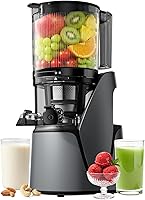
Breville sells both kinds, so this matchup separates the two approaches rather than two logos. The slower auger model here is the EanOruus, which shares Nama's chewing design.
The fast side is the Hamilton Beach.
Both make fresh juice in minutes. What changes is how they treat fibrous produce, how much fruit you can load at once and how much of your counter each one takes.


Which juicer type fits your produce?
Slow masticating juicers win on greens and ginger; centrifugal juicers win on speed with firm fruit. A Nama or EanOruus auger crushes produce at low speed, while a Breville-style machine shreds it against a spinning basket.
Apples, carrots and cucumbers juice well either way, so this is not a hard rule for every ingredient. Celery, kale, wheatgrass and herbs are where the auger pulls ahead.
The EanOruus pairs a high-torque AC motor with a single auger that moves slowly through the chamber. The Hamilton Beach spins an 800 W motor against a strainer basket and throws the pulp into an 80 oz bin.
That difference explains most of the choice between a Breville vs Nama juicer. If your fridge drawer is full of leaves, go slow.
Which machine is quicker for a morning glass?
The centrifugal machine is the faster one for a firm-produce batch. Its 800 W motor runs at speed, so a couple of apples and a handful of carrots juice in seconds.
The slow auger takes longer per piece, because the whole point is a gentle, unhurried squeeze. You trade speed for a better result on tough fibers.
Feed chutes narrow the gap. Whole fruit that fits without cutting cuts prep time far more than motor speed does for a lot of people.
The EanOruus carries a 6.5-inch feed chute, which takes large apples and oranges whole. The Hamilton Beach uses a 3-inch chute but still fits a whole apple or a bunch of celery.
So the fast machine is quicker on batch time, and the wide-chute slow machine is quicker on prep. Weigh which half of your morning routine frustrates you more.
Does chute width beat motor power?
Yes for busy households, because every minute you spend cutting is a minute you don't spend juicing. Motor power mainly changes how the machine handles hard produce.
The EanOruus 6.5-inch chute is the widest in this group and the main reason it holds its own against a spinning basket. The 100 oz hopper also lets you load several days' worth of produce in one go.
The Hamilton Beach answers with headroom in a different place: 800 W of rated power and a 3-inch chute rated for whole fruit. It moves through a pulp bin that holds 80 oz before you need to empty it.
Neither design asks you to cube every apple. Match the chute to your usual produce, and the power rating usually takes care of itself.
Which handles pulp, foam and texture better?
The slow machines give you cleaner, drier juice and more control over texture. That matters most with greens and ginger, where fast spinning whips in air and leaves foam.
The Hamilton Beach's spinning basket pushes pulp out quickly, and light leafy produce often leaves wet pulp behind. Hard produce like carrots and apples gives a firm, dry result.
The EanOruus auger crushes produce in the chamber so more of the liquid comes out. Its two strainers extend the job beyond juice into sorbet and nut milk.
The Ninja NeverClog JC151 sits on the slow side too, and its two interchangeable pulp filters let you choose less pulp or lots of pulp. That is the clearest texture control in this group.
If you like a thick, fiber-rich glass, a machine with pulp control beats either speed argument.
What the pulp control actually buys you
The Ninja filters split the difference between a clean glass and a fiber-heavy one. Less Pulp suits citrus and soft fruit, where strings and foam are the complaint.
Lots of Pulp keeps body in a green juice or a thick smoothie base.
The EanOruus goes further with a second strainer for sorbet, which turns frozen fruit into a dessert rather than a drink. That is a different job from juice, and it is the reason the machine carries three-in-one in its name.
The Hamilton Beach gives you no filter choices at all. What comes out is what lands in the bowl, and the strainer brush is there to keep the mesh from clogging between batches.
How do capacity and batch size compare?
The slow machine handles the biggest batches, while the compact juice jugs suit single servings. Choose capacity around your household.
The EanOruus hopper holds 100 oz, which is a family or meal-prep figure. It weighs 12.1 pounds, so plan where it lives before you buy.
The Hamilton Beach offers an 80 oz pulp bin plus a juice bowl that takes a good batch. The Ninja NeverClog JC151 uses a 24 oz juice jug and a 36 oz pulp container, which suits 1 to 2 glasses at a time.
If you juice for a family, batch size decides more than any motor stat. For one glass a day, the smaller jugs keep cleanup simple.
If citrus is all you want, the Elite Gourmet 24 oz Electric Citrus Juicer does one job well. Its auto-reversing reamer and built-in pulp and seed filter squeeze oranges, lemons and grapefruit with no greens in sight.
That 24 oz figure equals about 3 cups, or 2 to 3 servings. It is a counter reamer rather than a batch machine, and the built-in pour spout lets you serve straight from the container.
How much counter space will each one need?
Slow juicers take a taller, heavier footprint; centrifugal machines spread wider but sit lower. Measure your tallest clear space before ordering either type.
The EanOruus is 13.7 inches deep, 7.48 wide and 17.4 tall, and it weighs 12.1 pounds. That height matters under wall cabinets.
The Ninja NeverClog JC151 is the compact slow option at 12.11 by 7.15 by 15.93 inches, and it slides under most cabinets. The Hamilton Beach is 11.5 deep, 7.8 wide and 14.4 tall.
Small kitchens often make the compact slow machine the sensible pick. A big family kitchen leaves room for the wide-chute EanOruus.
The Elite Gourmet citrus press is the smallest of the group by a wide margin at 7.28 by 5.71 by 7.68 inches, and its 1.5 pounds is light enough to tuck into a cupboard between uses. If your only clear counter is a narrow strip, that size changes the list.
Cleanup: which is easier to live with?
Centrifugal parts come apart and go in the dishwasher; slow juicers have more pieces to rinse. The count of parts matters more than the minutes.
The Hamilton Beach lists its pulp bin, juice bowl, lid and pusher as dishwasher safe, and it includes a strainer cleaning brush. That brush earns its place on the mesh basket.
The Ninja NeverClog JC151 has dishwasher-safe juice-contact parts, which makes it the easiest slow machine here to clean. The EanOruus asks for hand washing, and its detachable pulp outlet helps with the rinse.
The Elite Gourmet citrus press is top-rack dishwasher safe on its removable parts too, though hand washing is recommended for long life. Even when the top rack is allowed, a quick hand rinse keeps the plastic clearer for longer.
If cleanup usually stops you from juicing, a dishwasher-friendly machine keeps the habit alive.
Cost tier and value: which buying pattern fits you?
Expect to pay more for slow juicing, and expect to get simpler, cheaper machinery with a centrifugal model. Decide whether the extra spend on greens is worth it to you.
Slow masticating machines sit in the mid-range to premium tiers, while a basic centrifugal model can land in the budget tier. Breville and Nama both sit above the entry level.
The gap buys slower speed, more pulp control and better extraction from leaves in return. It doesn't buy you a faster breakfast.
If you drink a green juice most days, the slower machine pays you back in yield and taste. If you juice weekend batches from apples and oranges, the fast machine does the job for less.
Our guide to choosing between a cold press juicer and a centrifugal one walks through the same trade-off with more detail. If you are choosing between the other slow brands, the Hurom vs Nama juicer comparison covers the two rivals directly.
Who should buy the slow Nama-style machine?
You should buy the slow type if your fridge is full of greens, ginger, celery and citrus. That is the reader this machine is built for.
You juice most days, you care about yield from leaves and you would happily spend 2 more minutes juicing for a cleaner glass. The wide EanOruus chute means less cutting, which suits busy mornings.
Pick the Ninja NeverClog JC151 if you want slow juicing in a smaller footprint and like swapping pulp filters. Pick the EanOruus if you serve a family or prep several days at once.
You should not buy either slow machine if you only juice apples and carrots once a week. The extra spend doesn't pay back for that pattern.
Who should buy the fast centrifugal machine?
You should buy the fast type if speed and simple cleanup beat juice clarity for you. It fits larger households, weekend batches and firm produce.
You load a couple of apples and carrots, you want the job done before the coffee finishes and you would rather push a basket into the dishwasher. The Hamilton Beach is that machine.
Its 800 W motor and 3-inch chute skip most cutting, and the pulp bin takes a whole batch before you empty it. The dishwasher-safe parts are the reason it edges the slow machines on this list.
Our comparison of the Ninja versus the AMZCHEF juicer covers a similar fast-versus-slow question. Read it if you want another fast option before you commit.
The Canoly vs EanOruus three-in-one matchup is the one to open if the EanOruus features are what pulled you in.
Which wins the Breville vs Nama juicer match?
For a family fridge full of greens, the slow EanOruus is the stronger pick. Its 6.5-inch chute, 100 oz hopper and high-torque auger make daily leafy juice easy.
For most readers, that is the better purchase. The slow machine extracts more from the produce you buy most, and the wide chute cuts prep to nothing.
Choose the Hamilton Beach instead if your produce is firm, your habit is weekly and you want parts that go straight into the dishwasher. The Ninja NeverClog JC151 is the compact slow middle ground.
So the answer depends on your drawer: leafy and daily goes slow, firm and fast goes centrifugal. Check the exact inches of your counter before you order either one.
Our score weighs specs, features and buyer feedback against what you are shopping for.
Frequently asked questions
Which is better for celery juice, Breville or Nama?
A slow masticating machine handles celery and leafy greens better, because the auger chews slowly and lets you pack fibrous stems through a smaller chute. Fast centrifugal models do celery in a rush but give wetter pulp and more foam.
If celery is daily, pick the slow type.
Do slow juicers like Nama really cost more than centrifugal ones?
Slow masticating juicers sit in a higher price tier than most centrifugal machines, and the trade-off is slower juicing and a bigger cabinet footprint. If you juice once a week rather than daily, a faster centrifugal model often covers the job and leaves budget room.
Can a Breville or Nama juicer handle whole fruit?
Feed size decides this. The EanOruus 3-in-1 has a 6.5-inch chute that takes whole apples and oranges, while many masticating models ask for smaller pieces.
Fast centrifugal machines like the Hamilton Beach use a 3-inch chute that still fits a whole apple or a bunch of celery.
How long does cleanup take on each type?
Centrifugal machines come apart quickly and several parts are dishwasher safe, so cleanup is fast. Slow masticating models have more screens and auger parts, and the EanOruus asks for hand washing, which adds a few minutes.
Dishwasher-safe contact parts tip the count in favor of the fast machines.