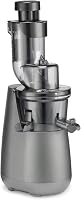
How to Use a Ninja Cold Press Juicer
To use a Ninja cold press juicer, assemble the auger and pulp filter, lock the lid, and press Start/Stop after adding cut produce. Feed fibrous ingredients slowly, use Reverse if the auger jams, and wash the juice-contact parts after each session.
On this page (10 sections)
- What comes in the box and what goes where?
- How do you assemble the juicer before the first use?
- How do you choose between the two pulp filters?
- How do you feed fruits and vegetables for the best yield?
- What do the Start/Stop and Reverse programs do?
- How do you stop juicing and pour without spills?
- How do you take the juicer apart and clean it?
- Is the Ninja cold press juicer quiet enough for early mornings?
- What should you do when the juicer jams or stops?
- Which setup makes the Ninja cold press juicer easiest to use?
To use a Ninja cold press juicer, assemble the auger and pulp filter, lock the lid, and press Start/Stop after adding cut produce. Feed fibrous ingredients slowly, use Reverse if the auger jams, and wash the juice-contact parts after each session.
Once you know the order of assembly and the two programs, using the machine becomes routine. Cleanup takes less time than the juicing.
What comes in the box and what goes where?
The box holds the motor base, auger, two pulp filters, a 24 oz juice jug, a 36 oz pulp container, and a recipe guide. Each part has one job.
The base is a 150-watt motor with a low-speed auger drive. The auger is the screw that crushes produce against the screen.
The two interchangeable filters decide how much pulp reaches your glass.
The juice jug sits under the spout and holds 24 fl oz. The separate pulp container catches dry pulp at 36 oz.
Keep the recipe guide handy for your first few sessions. It lists 15 recipes that match the machine's slower pace.
Our guide to the best cold press juicers for home use covers how this setup compares with other slow juicers.
How do you assemble the juicer before the first use?
Fit the filter into the housing, seat the auger inside it, then lock the lid and place both containers. Wash every juice-contact part in warm soapy water first.
Set the housing on the motor drive so it clicks into place. Drop in the pulp filter you want, then slide the auger down the center until it sits flush.
Close the lid and turn it to the locked position. The machine should not run unless the lid is locked.
Place the juice jug under the spout and the pulp container at the pulp outlet.
Check the anti-drip lever before you add produce. Leave it open while juicing so juice flows into the jug.
How do you choose between the two pulp filters?
Use the Less Pulp filter for smooth juice and the Lots of Pulp filter for a thicker, fiber-rich drink. Pick one before you start, because swapping mid-batch means disassembly.
The Less Pulp filter presses harder and lets less fiber through. It suits green juice, apple juice, and drinks you want to pour over ice.
The Lots of Pulp filter leaves more fiber in the glass, which works for smoothie-style blends and softer produce.
Neither filter changes the motor speed. The 150-watt high-torque motor turns the auger at the same low rate either way, so the difference is in the screen opening, not the power.
A leafy green mix reads better with Less Pulp. A carrot and apple blend holds body with Lots of Pulp.
If you are unsure, start with Less Pulp and try the other filter next time.
How do you feed fruits and vegetables for the best yield?
Cut produce small, feed slowly, and let the auger clear each handful before adding more. Rushing is the main cause of jams and foam.
Dense foods like apples, carrots, and beets need pieces small enough to fit the feed opening. Fibrous items like celery and leafy greens need trimming, and stems should come off kale and spinach.
Alternate soft and firm produce. A handful of leafy greens followed by a carrot keeps the auger gripping.
Add greens in small pinches rather than a packed bunch.
Keep the juice jug under the spout and empty it when it fills to about 24 oz. See how to choose a cold press juicer if you are still deciding whether a slow machine fits your kitchen.
What do the Start/Stop and Reverse programs do?
Start/Stop runs the auger forward at low speed; Reverse briefly turns it backward to clear a jam. Those are the only two programs, so operation stays simple.
Press Start/Stop to begin. The auger turns at low speed and presses produce against the filter.
Let the machine finish each handful before adding the next.
If the auger slows or stalls, press Stop, then Reverse for a few seconds. The backward turn loosens packed fiber so the auger can grip again.
Switch back to Start/Stop and continue.
If the jam does not clear after one reverse cycle, switch off and disassemble to remove the blockage. Never push produce down with a tool while the motor runs.
How do you avoid jams in a fibrous ingredient like celery?
Cut celery into short lengths and feed it with a firmer item so the strands do not wrap the auger. A piece of apple or carrot behind it keeps the feed steady.
Watch the spout as you go. A slow trickle means the auger is pressing fine strands; give it time before adding more.
The NeverClog design handles fibrous produce well, but small pieces still help.
How do you stop juicing and pour without spills?
Press Stop, close the anti-drip lever, then lift the juice jug to pour. The lever keeps drips from reaching the counter between batches.
The anti-drip lever sits at the spout. Close it when you remove the jug, and reopen it when you put the jug back.
That pause is also a good time to empty the pulp container.
Empty pulp before it reaches the top. A full container can back pulp into the housing and make cleanup harder.
The 36 oz capacity covers a family batch.
Stir the juice before serving. Cold press juice separates as it sits, and a quick stir restores an even texture.
Drink it fresh for the best flavor.
How do you take the juicer apart and clean it?
Disassemble in reverse order: lid, auger, filter, housing, then the jug and pulp container. Rinse each part under warm water before pulp dries on the screen.
The fine mesh filter traps the most fiber. Rinse it first, then scrub it with a brush so the openings stay clear.
A clogged screen slows extraction and puts strain on the motor.
All juice-contact parts are dishwasher safe. Load the small pieces in the top rack and run a normal cycle.
Our guide to whether juicer parts are dishwasher safe explains when hand washing is the safer choice.
Wipe the motor base with a damp cloth and never submerge it. Dry every part fully before reassembly so mold does not grow in the seams.
Which brush helps with the filter screen?
The OXO Good Grips set gives you a large brush for the pulp container and a small one for the mesh. The small brush reaches the screen edge where fiber packs tight.
The wiper blade on the small brush clears pulp from the spout and the housing rim. Both brushes have non-slip grips for wet hands.
Store them dry with the juicer parts so they are ready next session.
Who should choose the Betanull set?
The Betanull set suits owners who want more brush shapes for the seams and corners of a juicer. Its 8 pieces include narrow crevice brushes and right-angle scrubbers.
The crevice brushes reach the lid channel and the pulp outlet. Right-angle brushes clean inside the jug and the container corners.
Three wire brushes handle rust spots on the stainless steel parts.
Keep the wire brushes off the plastic housing and the filter mesh, since hard bristles can scratch those surfaces. Skip the kit if a single brush covers your parts.
How should you store the juicer between uses?
Reassemble dry parts loosely and leave the lid off so air can reach the housing. Store the juicer on the counter or in a cabinet with the cord loosely coiled.
The juicer measures 12.11 in deep by 7.15 in wide by 15.93 in high and weighs 7.9 lb. That footprint fits under most kitchen cabinets.
Keep the cord away from the sink and the spout. If you store it in a cabinet, set the jug and pulp container beside the base so nothing presses on the auger.
Is the Ninja cold press juicer quiet enough for early mornings?
It runs quietly for a juicer, because the auger turns at low speed instead of spinning a blade at high speed. You still hear the motor, but the pitch is lower and steadier than a centrifugal machine.
That slower pace means a glass of juice takes longer to press. Plan a few extra minutes for dense produce like carrots and beets.
Read our guide to whether cold press juicers are quiet for a fuller comparison.
What should you do when the juicer jams or stops?
Switch off, press Reverse once, and if the jam stays, disassemble and clear the auger by hand. Most stops come from overfeeding or long fibers.
If the auger will not turn at all, unplug the machine first. Remove the lid and lift out the auger to pull the packed fiber free.
Check the pulp container and the juice jug for overflow. A blocked outlet can make the machine feel jammed when the real problem is a full container.
Empty both and restart.
Cut future batches smaller and feed fewer pieces at a time. A slow feed protects the 150-watt motor and gives cleaner juice.
Which setup makes the Ninja cold press juicer easiest to use?
The Ninja NeverClog JC151 is the machine this guide covers, and it suits most first-time cold press owners. Its two pulp filters, anti-drip lever, and reverse program cover the basics without extra steps.
Keep the OXO brush set nearby for the filter screen, and add the Betanull kit if you want more shapes for seams. Together they make the cleaning step quick enough to juice daily.
Learning how to use a Ninja cold press juicer comes down to four habits: cut produce small, feed slowly, use Reverse early, and clean right after. Do those and the machine presses steadily batch after batch.
For more care tips, see our care and fixes guides.
Frequently asked questions
Do I have to cut produce before juicing it in a cold press juicer?
Yes. Cut apples, carrots, and other dense produce into pieces that fit the feed opening, and strip stems from leafy greens.
Smaller pieces let the auger grip and crush them steadily instead of stalling.
What do the two pulp filters on the Ninja JC151 change?
The Less Pulp filter gives a smoother, thinner juice, and the Lots of Pulp filter gives a thicker, fiber-rich drink. Swap the filter before you start juicing; both fit the same housing.
Can I put whole ice cubes through a cold press juicer?
No. This is a masticating juicer built for fruits and vegetables, so skip ice, frozen blocks, and hard seeds.
Add chilled produce or chill the juice after pressing instead.
How long does the Ninja cold press juicer take to juice a glass?
Expect a slower pace than a centrifugal juicer, because the auger turns at low speed to press rather than shred. Feed in small handfuls and let the machine finish each batch before adding more.
Is the Ninja JC151 loud while it runs?
It runs quieter than a fast centrifugal juicer in most kitchens, since the auger spins slowly. You still hear the motor, so it is not silent.