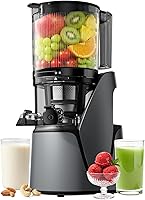
How to Assemble a Canoly C16 Juicer
To assemble the Canoly C16 juicer, set the base on a flat counter and lock the hopper onto it, then fit the auger, your strainer, the pulp outlet and the lid in that order. Press each part down until it seats and clicks before you load fruit, so the safety interlock can start the motor.
On this page (7 sections)
- What you need to know before your first Canoly C16 assembly
- How do you put the Canoly C16 juicer together step by step?
- How should you fit the lid so the juicer actually starts?
- How do you know the Canoly C16 juicer is ready for its first fruit?
- How do you take the C16 apart for cleaning?
- How quiet is the Canoly C16 once it's assembled correctly?
- Which juicer suits your morning routine?
To assemble the Canoly C16 juicer, set the base on a flat counter and lock the hopper onto it, then fit the auger, your strainer, the pulp outlet and the lid in that order. Press each part down until it seats and clicks before you load fruit, so the safety interlock can start the motor.
The order matters more than the force you use. Every part on this cold press machine has one correct way to sit, and the motor stays locked out until the lid is fully down.
What you need to know before your first Canoly C16 assembly
Assemble the juicer on a dry, flat counter before you plug it in. The base weighs 12.6 pounds and measures 9.45 by 6.89 by 17.32 inches, so leave clearance above it for the feed chute and room in front for the cup and pulp container.
The C16 is a cold press design, so the parts you seat are the same ones you'll wash after every session. A single auger does the work slowly, and the 250-watt AC brushless motor turns at low speed to press juice out rather than shred it.
If the cold press design is new to you, our explainer on what is a slow juicer covers how the auger presses fruit.
Before you start, unwrap all the removable pieces and check them against the included parts: the 3-in-1 strainers, cup, juicer base, pusher and the auger. Set the base down first and keep the cord slack.
Plug in only after the lid is locked. Assembling the juicer with the power on serves no purpose and risks an accidental start.
How do you put the Canoly C16 juicer together step by step?
Base first, then hopper, auger, strainer, pulp outlet and lid. Each part seats on the one below it, so work upward and press firmly at every stage.
- Set the base on the counter and check it sits level without rocking.
- Lock the hopper onto the base, lining up its tabs with the slots.
- Slide the auger down onto its shaft in the center of the hopper.
- Seat the strainer you need for the session around the auger.
- Push the pulp outlet into place until it meets its housing.
- Press the lid down over the top until the safety lock clicks.
Don't run the motor between steps or push hard on a part that won't sit. A part that stops early is usually misaligned rather than tight.
Step 1: Set and lock the base and hopper
The base is the heaviest piece, so place it where you plan to juice and leave it there. Position it away from the counter edge and away from overhead cabinets that could block the tall feed chute.
The hopper locks onto the base with its own tabs. Line the tabs up before you press down, then give the hopper a firm push until it feels settled.
If the hopper rocks, lift it and start the alignment again.
The 90-ounce hopper holds a large batch of produce or nut milk. A settled base matters because a full hopper should not wobble while the motor runs.
Step 2: Fit the auger onto its shaft
The auger sits in the center of the hopper on its drive shaft. Slot it over the shaft and press it down until it reaches its seat, then turn it gently by hand to check it spins freely.
Never force the auger if it stops short. It may be slightly off the shaft splines, or a bit of pulp from the last wash may be caught underneath.
The auger turns slowly, so it only needs to be seated, not tightened. If it wobbles when you turn it, lift it off and reset it before adding the strainer.
Step 3: Choose and seat the strainer
The C16 comes with two strainers: juice and sorbet. Pick the one that matches what you're making before you fit it, because changing it later means taking the top of the juicer apart again.
Nut milk is made using the appropriate strainer from this two-strainer setup.
Set the strainer down around the auger so it sits flat in its groove. A strainer that's tilted will not let the lid lock, and juice can find its way past a gap.
The strainers handle fruit and vegetables for juice, frozen fruit for sorbet, and nuts for milk. A single set covers apple, beetroot, carrot, celery, watermelon and nut milk.
Step 4: Push in the pulp outlet
The pulp outlet is the detachable channel that carries dry pulp out of the juicer. Push it into its housing until it meets the stop, because an outlet that's only part way in can spill pulp back into the juice.
The detachable design is also what makes cleanup easier, since you can remove the outlet and rinse it without pulling the whole juicer apart. Seat it fully every time so it stays put during a run.
Step 5: Lock the lid and test the safety switch
Lower the lid over the top and press down until the safety lock clicks. The juicer will only run once the lid is locked, so a silent motor usually means the lid isn't fully seated.
Don't press the lid on one side only. Push evenly around its edge so all the locks engage together.
Once it clicks, the juicer is ready for its first fruit.
How should you fit the lid so the juicer actually starts?
Press the lid down evenly until the safety lock clicks. The interlock on the C16 keeps the motor from turning while the top is open or partway seated.
A lid pressed on one side can look closed and still block the start.
If the touchpad responds but nothing turns, take the lid off and check that the strainer and pulp outlet are fully down. Then replace the lid and press it again with both hands.
Never tape down or bypass the interlock to get the motor running. It's there so the auger can't turn while your hands are in the feed chute.
How do you know the Canoly C16 juicer is ready for its first fruit?
The juicer is ready when every part is seated and the lid has clicked. Place the cup under the juice outlet and a container under the pulp outlet before you add anything.
Then press the touchpad to start.
Switch the juicer on only after the lid is locked. Feed fruit through the 6-inch chute with the pusher rather than your fingers.
The wide feed throat takes whole apples and pears and large celery bunches without chopping.
Add produce gradually at first. The 35dB motor is quiet enough to keep running while the family is nearby, and the slow auger works best when the hopper isn't crammed in one go.
How do you take the C16 apart for cleaning?
Unplug the juicer and open the lid first, then remove the parts in the reverse order you fitted them. The lid comes off first, then the pulp outlet, the strainer and the auger.
All removable parts are made from BPA-free materials and are dishwasher safe. Tip loose pulp into the bin before washing so it doesn't clog your dishwasher filter.
A brush like the OXO set below reaches the grooves in the strainer.
The small brush with its wiper blade fits the tight spaces in the pulp outlet, while the large brush covers the wide strainer surfaces. Dry every part before you reassemble, because a wet seat can let a part slip.
Why does the juicer keep clogging after assembly?
A juicer clogs when pulp builds up faster than the outlet clears it. On the C16, the detachable pulp outlet helps, but a partly seated outlet or an overloaded hopper can still back pulp up.
Our guide to why does my juicer keep clogging covers the fixes for wet pulp and slow flow.
Can you skip the strainer when assembling?
No. The strainer holds the auger in position and separates juice from pulp.
Running without it would send pulp straight into the juice, so always seat a strainer before the lid.
How quiet is the Canoly C16 once it's assembled correctly?
The C16 runs at a claimed 35dB, which is quiet enough to hold a conversation beside it. A part seated crookedly can rattle, so a new noise usually means the lid or pulp outlet needs a second press.
Cold press juicers are generally quieter than fast centrifugal models because the auger turns slowly instead of spinning a basket at high speed. Our look at are cold press juicers quiet explains where the noise in these machines actually comes from.
The quiet motor is one reason the C16 suits early mornings. It also carries a 15-year motor warranty, so Canoly backs the part that does the hard work.
Which juicer suits your morning routine?
The Canoly C16 is the one to pick if you want juice, sorbet and nut milk from a single machine. Its wide chute saves chopping, the large hopper suits batch juicing, and the quiet motor won't wake the house.
Check how it compares with its closest rival before you buy. Our Canoly C16 vs EanOruus comparison covers the differences in chute size, motor and strainer setup.
Once assembled, the C16 asks little of you: seat the parts in order, press the lid until it clicks, and unplug before cleaning. A minute of careful assembly at the start is what keeps the Canoly C16 assembly routine quick for the rest of the week.
Frequently asked questions
Does the Canoly C16 juicer need to be assembled before every use?
Yes. You take the hopper, auger, strainer, pulp outlet and lid apart to clean them, so they go back together in order for each session.
Allow a minute or two to seat the parts and press the lid down until the safety lock engages.
Can the juicer run with the lid off?
No. The motor only starts once the lid is locked onto the hopper, so an unseated lid leaves the juicer silent rather than spinning.
Check that the pulp outlet is fully pushed in and the strainer sits flat before you press the lid down.
How do I know which strainer to fit?
The C16 ships with strainers for juice and for sorbet. Fit the juice strainer for fresh fruit and vegetable juice, and the sorbet strainer when you process frozen fruit.
Nut milk is made with the juice and sorbet strainers, so check each one's markings before seating it.
How long does the Canoly C16 juicer take to assemble?
Plan on a minute or two once you know the order. The base stays on the counter, so only the upper parts come off for cleaning and go back on.
Practicing the order twice makes the routine quick enough for a weekday morning.
How do I keep the parts from jamming when I reassemble the juicer?
Push each part straight down rather than at an angle, and never force a part that stops early. Wipe the mating surfaces dry after washing so grit doesn't sit between them.
If the lid won't lock, lift it and check that the auger is fully seated on its shaft.